24 Jeffrey Drive South Windsor, CT 06074 | (860) 610-2030
24 Jeffrey Drive South Windsor, CT 06074 | (860) 610-2030
"Words truly cannot express how thrilled we are with the work you and your team have done at our home. It is exactly what we envisioned!"
- Steve & Donna Lewkowicz
Somers CT
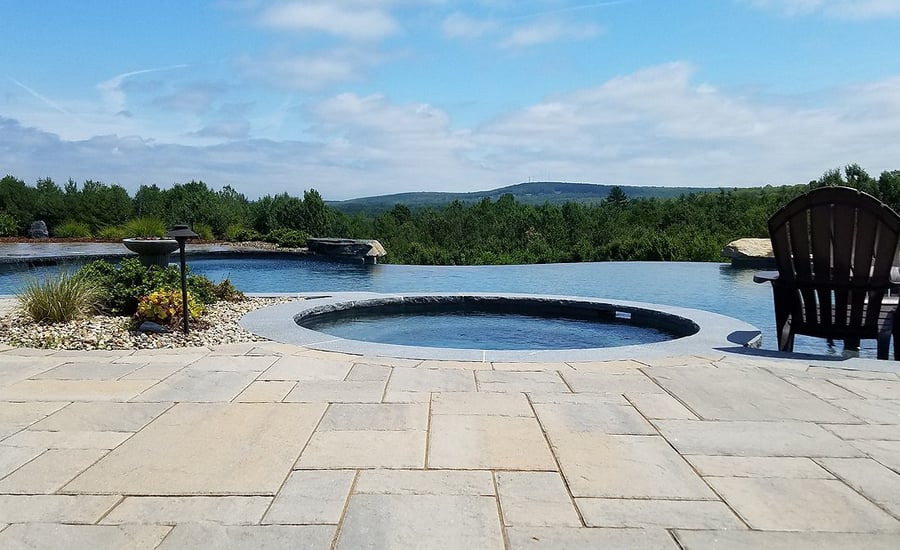
The design flexibility and practical functionality of pavers make them ideal for pool patios. There are a large variety of designs, patterns, colors, and textures that can be used and combined for a custom look that matches your style.
They also have the ability to give you access to the underground piping at any time – remove the pavers, dig down to make the necessary repairs, fill the trench and relay the pavers for a seamless finish.

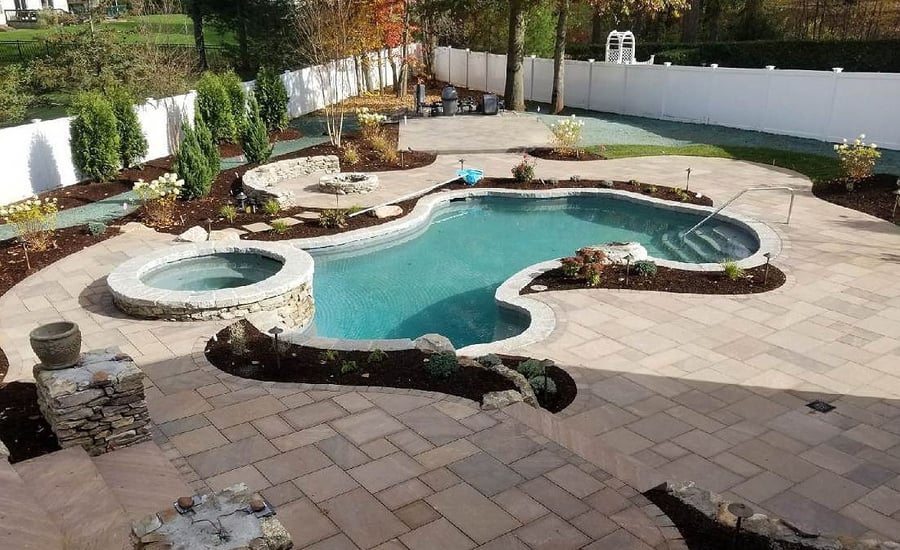
Start by asking yourself a few questions:
Then, use our free cost estimator to start planning your perfect pool patio so you are prepared to talk once you schedule an appointment with one of our patio experts.

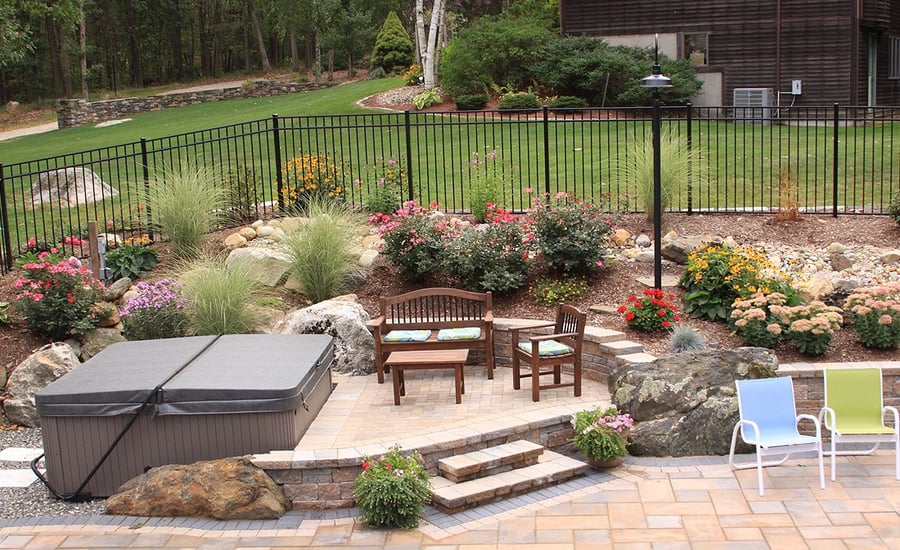
Interlocking concrete pavers have been one of the top choices for pool patios for years for many reasons; they are safe effective and low maintenance. Manufactured with a non-skid surface and installed with polymeric sand, concrete pavers are the ideal solution for your pool patio.

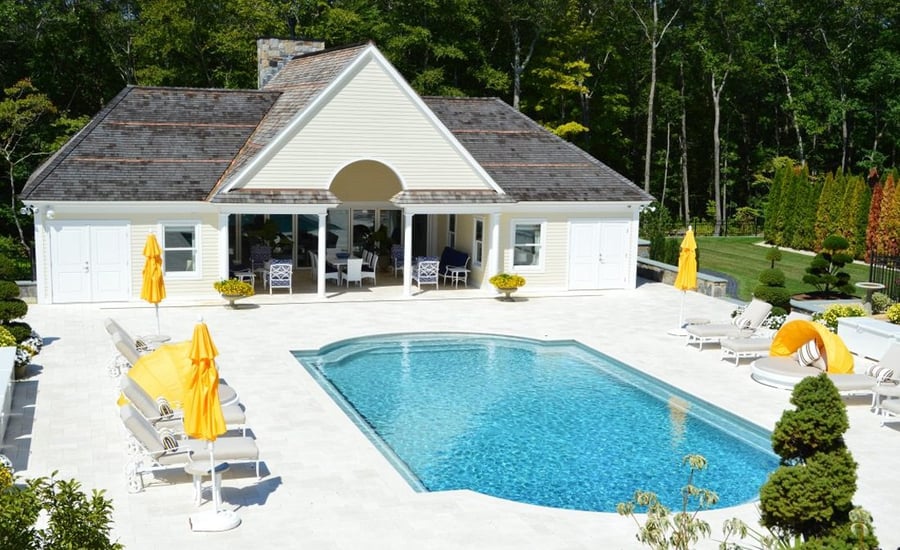
Looking for a contractor to build you the pool of your dreams? Check out our local partner, pool provider Aqua Pool & Patio. We have worked with them 100s of times and they are one of the few trusted providers we recommend to our customers.
Subheader that helps build trust in the user. Let them know why your content rocks.